
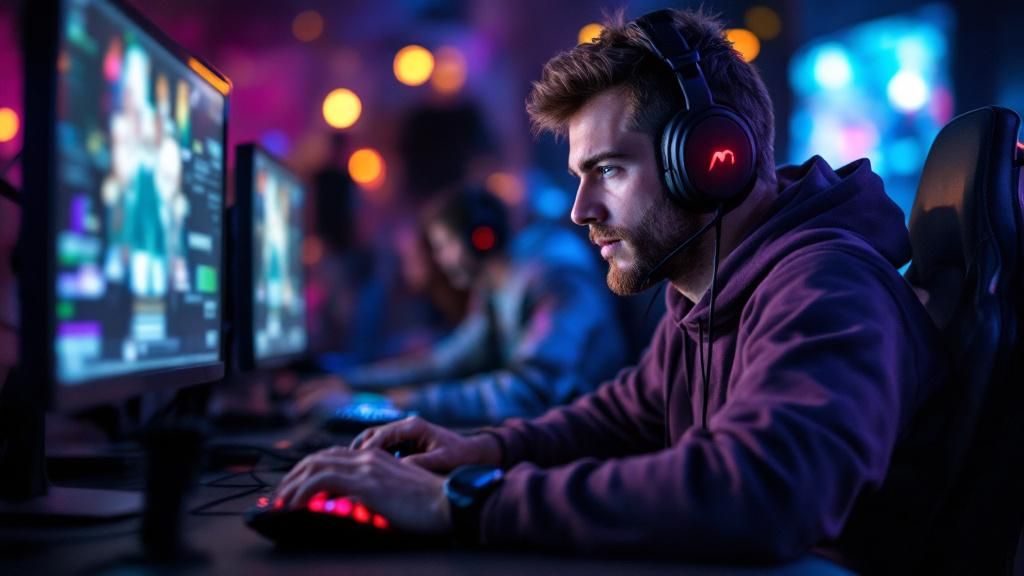
The dynamic esports industry is going through a significant transformation. Once regarded as purely recreational, professional gaming now matches traditional sports in intensity and psychological demands. Acknowledging the increasing pressure on professional athletes—from demanding practice routines to high-stakes tournaments—top gaming teams are at last focusing on mental health support. This article explores how organisations are implementing counselling services, mental health professionals, and wellness programmes to protect their competitors’ wellbeing, marking a fundamental change towards a better-balanced esports landscape.
The Rise of Mental Wellbeing Awareness in Esports
The esports industry has experienced a notable cultural shift in recent years, with mental health emerging as a key concern amongst professional players and organisations alike. Previously overlooked or stigmatised, psychological wellbeing is now acknowledged as integral to competitive success. Elite players experience unprecedented pressure—rigorous training schedules, unrelenting tournament schedules, and substantial financial stakes create an environment where mental resilience is as crucial as mechanical skill. This increased awareness reflects broader societal conversations surrounding mental health, combined with mounting evidence that psychological assistance directly enhances performance and longevity in professional gaming.
Leading esports franchises are addressing this awareness by introducing wide-ranging psychological support programmes. Teams now engage dedicated sports psychologists, counsellors, and health coordinators supporting their coaching staff. These professionals handle problems such as performance pressure and fatigue to mental health struggles and loneliness—challenges particularly common within the esports ecosystem. By encouraging open dialogue about mental health and providing accessible support services, organisations are establishing a precedent that achievement doesn’t demand compromising psychological wellbeing, substantially transforming professional gaming culture.
Establishing Holistic Mental Health Programmes
Leading esports organisations are implementing structured mental health frameworks that reflect those seen in traditional professional sports. These programmes typically feature access to licensed psychologists, counsellors, and mental health practitioners who focus on performance anxiety, burnout, and stress management. Teams are investing in regular wellbeing checks, confidential support sessions, and crisis intervention protocols. By embedding mental health services directly into their organisational structure, clubs show a genuine commitment to player wellbeing whilst simultaneously enhancing team performance and competitive longevity.
The introduction of these programmes goes beyond individual counselling sessions. Many organisations now offer holistic wellness initiatives encompassing sleep optimisation, nutrition guidance, mindfulness training, and work-life balance strategies. Team psychologists collaborate closely with coaching staff to recognise at-risk players and provide proactive interventions. Furthermore, several clubs have established peer support systems and developed safe spaces where players can discuss mental health challenges without stigma. This comprehensive approach recognises that long-term competitive success requires addressing the psychological underpinnings underpinning elite performance.
Benefits and Extended Influence on Gaming Ability
Mental health assistance has clearly improved player performance across professional esports teams. Players undergoing mental health counselling report better focus, better decision-making under pressure, and enhanced emotional resilience during high-pressure tournaments. Teams implementing mental wellness initiatives have recorded notable improvements in tournament performance and player consistency. Furthermore, athletes with access to sports psychologists develop more effective coping strategies for handling stress and competitive pressure. These programmes contribute to superior gameplay quality and ongoing competitive success throughout extended seasons.
Beyond direct competitive gains, extensive psychological support programmes promote long-term player longevity and career sustainability. Professional esports careers are famously short-lived, often lasting only five to ten years due to mental fatigue and stress-related decline. Mental health support extends playing careers by preventing chronic stress-related conditions and promoting sustainable training practices. Players benefiting from continuous mental health provision show better personal-professional equilibrium, reduced burnout rates, and increased career fulfilment. Consequently, organisations gain advantages through retaining experienced talent, preserving squad unity, and preserving institutional knowledge that strengthens competitive advantage over extended periods.
The integration of mental wellbeing services within esports generates deep transformations advantaging the complete esports landscape. Young up-and-coming players now understand that obtaining professional mental care represents strength rather than weakness, substantially transforming views regarding mental wellbeing. This cultural shift promotes forward-thinking mental care approaches, timely support, and proactive health measures. As competitive gaming matures, organisations prioritising comprehensive player welfare establish themselves as sector pioneers, recruiting leading competitors and building healthier, more sustainable competitive environments that ultimately elevate the complete gaming industry.
